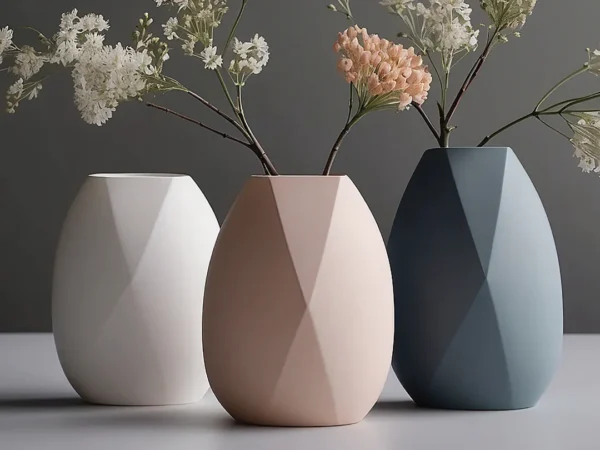
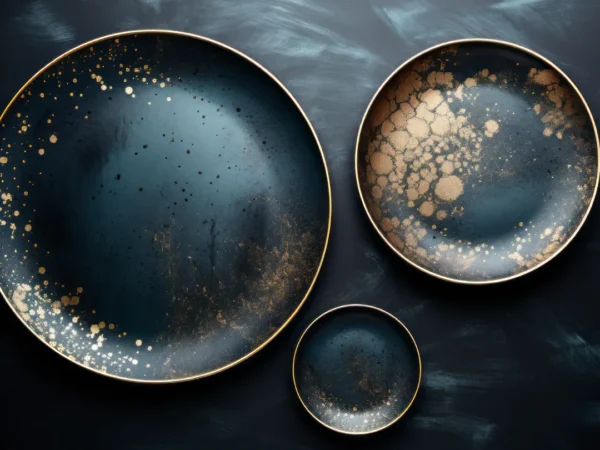
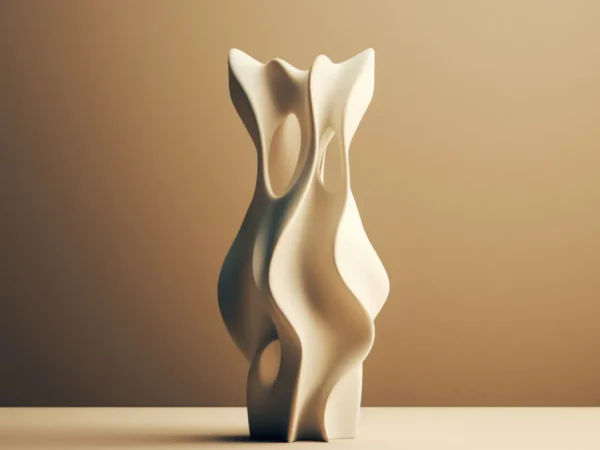
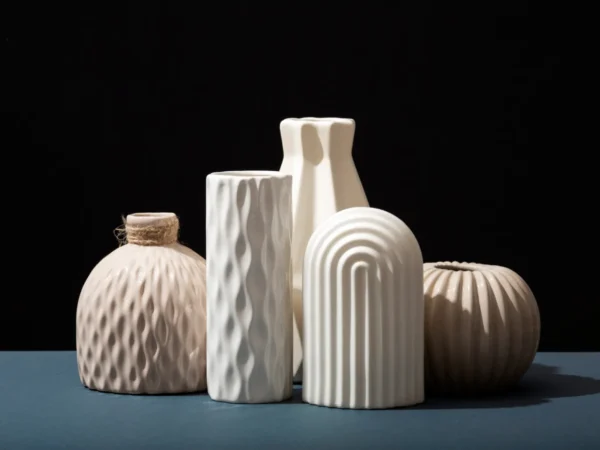
Omaniya is a curated gateway to the soul of Arabia, where centuries of heritage meet the pinnacle of modern luxury. Born from the sun-drenched landscapes and ancient trade routes of the Sultanate, our collection is an ode to Omani artistry. From the sacred, ethereal notes of Royal Green Hojari Luban and artisanal bakhoor to the flowing silhouettes of bespoke fashion and hand-etched pottery, every piece in our boutique is a hand-selected masterpiece.
We do not just offer products; we offer a sensory pilgrimage—an invitation to experience the timeless elegance, legendary hospitality, and unparalleled aesthetics of Oman, delivered to the most discerning doorsteps across the globe.
0
products in our store
0
years of experience
Fragrance
Frankincense
Bakhoor
Crafts & Decor
Premium Gifts
Omaniya’s
Premium Collections
Crafted from the purest frankincense of the Dhofar region, our premium collection embodies the timeless elegance of Omani heritage.
The Khanjar: Oman’s Emblem of Honor, Heritage, and Hospitality
The origins of the khanjar are as old as Oman itself, forged in the fires of tribal necessity. In a land defined by harsh deserts and rugged mountains, a reliable dagger was essential for daily life—for protection against wild animals, as a tool for nomadic tasks, and, yes, as a weapon in tribal conflicts. However, early on, the khanjar’s purpose began to transcend mere utility. It evolved from a symbol of martial prowess into one of social and tribal identity. Each distinct region of Oman—the capital Muscat, the interior city of Nizwa, the coastal town of Sur, and the southern region of Dhofar—developed its own unique stylistic variations in the khanjar’s design, allowing one to identify a man’s tribal affiliation and origin at a glance. Over the centuries, as Oman unified and modernized, the khanjar was officially adopted as the central emblem on the national flag and emblem, solidifying its place as the primary symbol of the nation. Today, while no longer used for daily tasks or defense, it is a non-negotiable part of the national dress for men, worn with immense pride at all official functions, weddings, cultural celebrations, and Eid prayers. It is the visible embodiment of Omani dignity and hospitality, offered as a ceremonial gift to honored guests and foreign dignitaries.
The Suri Dhow: A Voyage of Wood, Water, and Whales
Oman’s history is written on the waves. Its long coastline and strategic location on the Indian Ocean trade routes meant that for millennia, its people turned to the sea for trade, communication, and livelihood. The dhow, with its large triangular (lateen) sail and sturdy wooden hull, was the instrument of this maritime dominance. Sur, situated at a naturally protected bay, became the center for building and maintaining these vessels. During the peak of the Omani Empire (17th to 19th centuries), under the Yaruba and Al Busaidi dynasties, hundreds of dhows would sail from Sur, carrying valuable goods like dates, incense, spices, textiles, and, sadly, ivory and pearls. They would return laden with rice from India, wood from Africa, and ceramics from China. The wealth and cultural exchange generated by this massive trade network were unprecedented. This maritime prowess gave Oman a powerful navy and the ability to control key ports, including Zanzibar off the African coast, which became a vital outpost for the Omani sultanate. The dhow wasn’t just a cargo carrier; it was the symbol of Omani power and interconnectedness. It carried cultures, ideas, and a unique form of multiculturalism that still defines Omani society. Today, the dhow is a revered national symbol, featuring on the insignia of numerous national institutions, a testament to the nation’s profound oceanic legacy.
Bahla Pottery: An Ancient Dialogue Between Earth, Clay, and Fire
Bahla’s story is a story of mud and water. Situated in a region with very limited fresh water, and subjected to intense summer heat, the city’s inhabitants needed a way to collect and, crucially, keep water cool. They turned to the material they had in abundance: clay. For generations, the potters of Bahla have used a specific type of rich, reddish-brown clay found along the banks of nearby wadis (dry riverbeds) after seasonal rains. This clay, known as wadi clay, has unique properties. It is both strong and porous, making it ideal for large-scale construction. It is no coincidence that Bahla is defined by both its massive mudbrick fort and its massive pottery. The architecture and the ceramics are products of the same environmental dialogue. The kharas, the large, bulbous vessels, are the defining product of Bahla pottery. These vessels were, and still are, essential for daily survival. Once filled, the kharas is left in a shaded, well-ventilated area. The inherent porosity of the clay causes a fine mist of water to collect on the vessel’s surface. As this water evaporates, it draws heat away from the inside of the jar, naturally and effectively cooling the remaining water. In an age before refrigeration, the kharas was nothing less than a lifesaver, a piece of essential human engineering masquerading as art. Today, the kharas still holds a prominent place in many Omani homes, especially for cooling drinking water and storing local dates
Omani Frankincense: The Tears of the gods and the Fragrant Heart of Dhofar
For over 5,000 years, Omani Frankincense has been a prized and essential resource for civilizations around the globe. It was used in religious ceremonies in ancient Egypt, Greece, Rome, India, and China, where its sacred scent was believed to purify and connect humanity with the divine. It was a crucial component of royal embalming rituals and a universal symbol of luxury. Oman’s frankincense trade reached its zenith during the Roman Empire, creating a massive economic system that came to be known as the “Frankincense Trail.” Omani caravans, laden with the precious resin, navigated the treacherous deserts of Arabia to ports in the Levant, from where it was shipped to the furthest corners of the empire. This wealth transformed Dhofar into a bustling cultural melting pot, with fortified outposts like Sumhuram and the lost city of Ubar serving as key nodes in the network. Today, while the trail is gone, frankincense remains central to the Omani way of life. It is still a required part of religious, official, and cultural ceremonies. When a guest enters an Omani home, it is a non-negotiable act of hospitality to offer them bukhoor (frankincense-based incense blend) as a gesture of welcome and respect. Omani frankincense, particularly the rare, highest grade known as Al-Hojari from the deepest Dhofari plateaus, is recognized globally as the purest and most potent variety, used to create the world’s finest perfumes.
04 / 05
Space of Aesthetics
Fashions
Live like an Omani
Trends
Beyond Shopping
MArhaba, Visit Oman
Beyond the dunes of the Sharqiya Sands and the rugged peaks of the Al Hajar Mountains lies a land of timeless stories. Oman is not just a destination; it is an invitation to experience an ancient culture defined by warmth, integrity, and the sacred scent of Frankincense. Let the horizon lead you to hidden wadis and white-sand shores where tradition meets tranquility.
We source our resin directly from the ancient Boswellia sacra trees of the Dhofar plateaus, ensuring every drop contains the purest therapeutic properties of Omani "Green Gold."
Authentic Omaniya Essential Oils
Our steam-distillation process preserves the complex, woody, and citrus notes of the resin, bringing the sacred scent of Omani heritage directly to your daily wellness ritual.
Sacred resin meets advanced haircare
By blending ancestral botanical wisdom with modern science, our formulas penetrate deeply to rejuvenate, protect, and restore your natural glow from the inside out.